Auto Repair Advice: Why Routine Maintenance Is Essential
Consistent maintenance is vital for vehicle performance and safety. By adhering to a structured maintenance schedule, drivers can eliminate the risk of costly repairs, enhance the longevity of their vehicles, and ensure adherence to safety standards. Neglecting these measures may lead to unanticipated complications that undermine both the dependability of the vehicle and the safety of those inside.
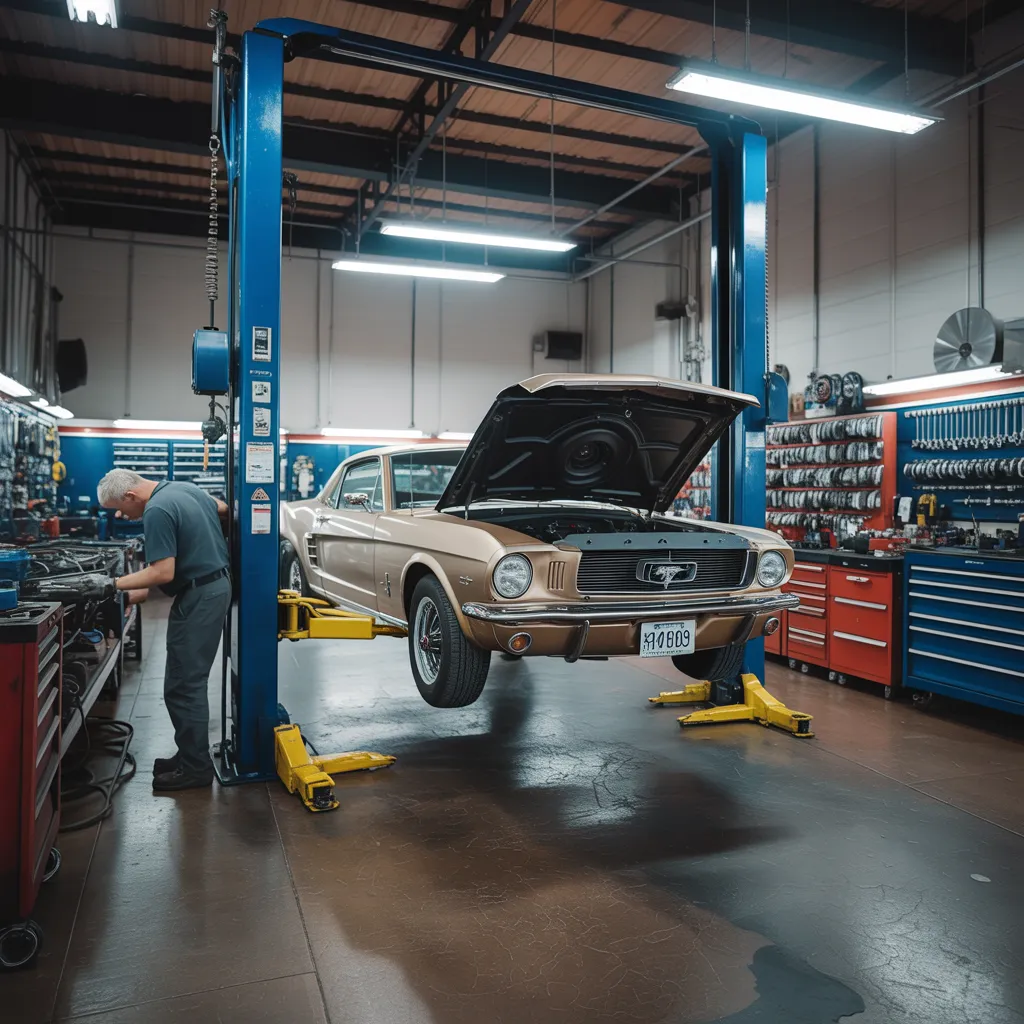
Eliminate Expensive Repair Bills
Keeping up with a vehicle diligently can significantly lower the risk of costly repairs down the road. Scheduled inspections and service tasks, such as brake checks, tire rotations, and oil changes, help identify issues before they escalate. Disregarding dashboard alerts or strange noises can result in serious mechanical issues, leading to costly fixes. Furthermore, following the recommended service timeline keeps vital components functioning at their best. Keeping fluids topped off, such as coolant and transmission fluid, can avoid engine overheating and system failures. Basic habits such as monitoring tire pressure can improve gas mileage and prolong tire longevity. Ultimately, dedicating time and effort to regular upkeep serves as a proactive strategy, resulting in long-term savings and extended vehicle life.
Enhance Vehicle Longevity
Investing in routine maintenance is essential for enhancing vehicle longevity. Routine oil changes, fluid inspections, and tire rotations help ensure Plainfield Auto Repair that critical components perform optimally. Ignoring these responsibilities can lead to early component degradation, resulting in expensive fixes in the future. Additionally, maintaining proper tire pressure and alignment contributes to improved fuel economy and vehicle performance, which further prolongs the vehicle's lifespan. Tracking battery condition and replacing damaged components quickly can prevent unexpected breakdowns. Routine inspections allow for the early detection of potential issues, providing owners the opportunity to address them before they escalate. By prioritizing regular maintenance, vehicle owners can enjoy a smoother, more reliable driving experience and protect the value of their asset.
copyright Safety Standards
Ensuring safety standards in vehicle operation necessitates ongoing attention to maintenance routines. Periodic inspections of crucial components, like brakes, tires, and lights, are essential for avoiding accidents and maintaining peak performance. Automotive professionals advise following the manufacturer's maintenance schedule, which typically encompasses critical checks and fluid replacements that support overall safety. Furthermore, keeping an eye on warning lights and resolving issues quickly can prevent more extensive and expensive repairs. Tire pressure and tread depth ought to be regularly inspected to improve handling and stability. Furthermore, servicing windshield wipers and maintaining fluid levels provides clear visibility during unfavorable weather conditions. By emphasizing these maintenance duties, vehicle owners can considerably lower risks and encourage a safer driving experience for themselves and other drivers on the road.
Affordable Auto Maintenance Strategies
A large number of vehicle owners search for methods to save money while keeping their cars in peak condition. Regular maintenance can be budget-friendly and effective. An important piece of advice is to complete oil changes at proper intervals, since selecting the correct oil can improve engine performance. Additionally, checking tire pressure monthly not only improves fuel economy but also extends tire life.
Vehicle owners can additionally cut costs by handling air filter replacements on their own, which is a fairly easy task that improves engine performance. Regularly inspecting and cleaning the battery terminals can eliminate the need for costly battery replacements.
Utilizing online resources for do-it-yourself repair and maintenance guides enables owners to address small problems without the help of a professional. Additionally, becoming a member of local car clubs or online forums can supply useful advice and reductions on parts. By implementing these cost-effective practices, car owners can maintain their cars efficiently while minimizing expenses.
Questions We Often Receive
How Often Should I Rotate My Tires?
Tires should typically be rotated every 5,000 and 7,500 miles, according to the vehicle type and tire specifications. Routine rotation supports balanced wear, boosts traction, and increases tire longevity, contributing to overall vehicle safety and performance.
What Benefits Does Synthetic Oil Offer?
Using synthetic oil enhances engine performance, delivers improved lubrication, reduces wear, and enhances fuel economy. It also withstands higher temperatures and offers superior protection against sludge buildup, consequently increasing engine longevity and decreasing maintenance costs.
Is It Okay to Mix Different Motor Oil Brands?
Blending multiple types of motor oil is generally fine, given that they maintain the same viscosity and requirements. That said, it's recommended to avoid blending oils with varying conventional and synthetic formulas for peak engine performance.
How Do I Know if My Battery Needs Replacement?
A car battery may need replacement if the vehicle has difficulty starting, exhibits dimming headlights, or shows a warning light on the dashboard. Additionally, a visual inspection for corrosion or swelling can suggest declining battery health.
What Should I Do if My Check Engine Light Comes On?
When the check engine light illuminates, the first step is to check for a loose gas cap, followed by using an OBD-II scanner to read error codes. If the problem remains unresolved, it is recommended to seek the expertise of a professional mechanic for a thorough diagnosis.